Aluminium Surface Treatment Methods play a crucial role in various industries. As the demand for durable and aesthetically pleasing aluminium products rises, choosing the right treatment becomes essential. According to Dr. Jane Smith, an expert in materials science, “Effective aluminium surface treatments enhance longevity and visual appeal.”
Many projects benefit from these methods. They improve corrosion resistance and create a better surface for coatings. However, not all treatments are suitable for every application. It's important to weigh the benefits and drawbacks. For instance, anodizing can greatly enhance protection. Yet, it may not be the best choice for all aesthetic finishes.
Understanding the nuances of Aluminium Surface Treatment Methods is vital. Factors like environmental conditions and product usage can dictate the best approach. Failing to consider these can lead to unsatisfactory results. This underscores the need for careful selection and expert guidance in the treatment process.
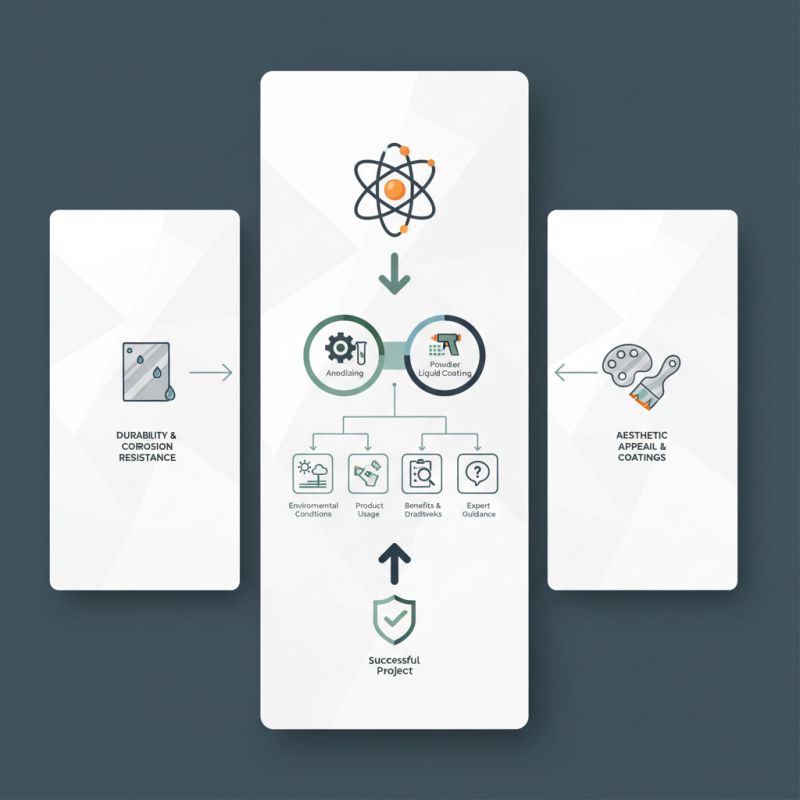
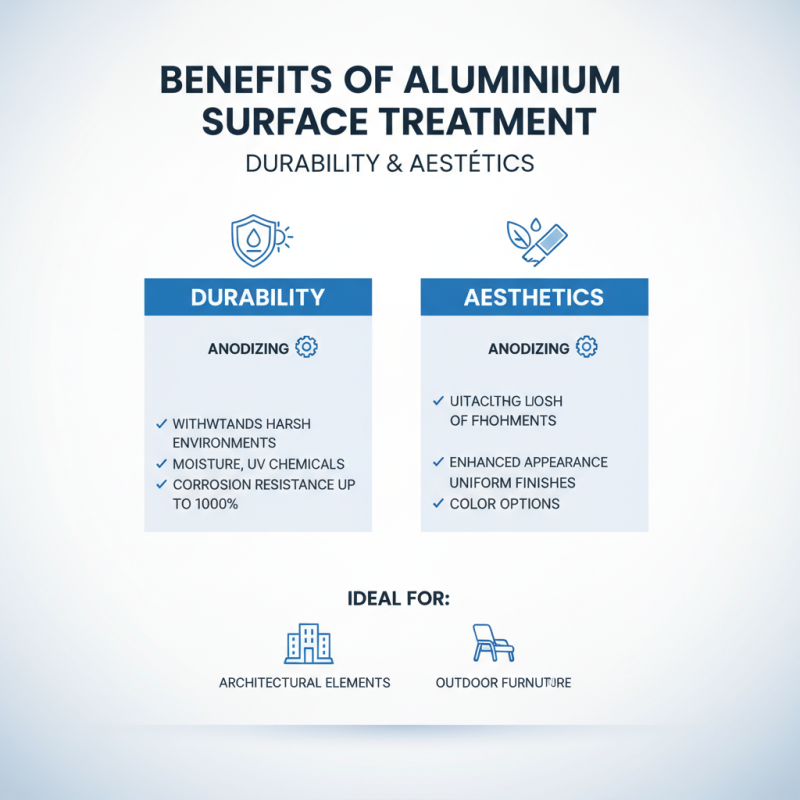
Aluminium surface treatment significantly boosts durability and aesthetics. Reports show that anodized aluminium can withstand harsh environments. This includes exposure to moisture, UV radiation, and chemicals. In fact, anodizing can increase corrosion resistance by up to 1,000%. Projects involving architectural elements and outdoor furniture benefit greatly from this enhancement.
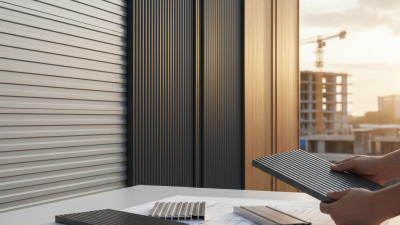
The aesthetic appeal of treated aluminium is hard to overlook. With a variety of finishes available, including brushed, matte, and high-gloss options, designers have endless possibilities. Research indicates that a well-finished product can enhance perceived value by around 30%. Customers appreciate the sleek look of treated surfaces, making it a wise choice for any project.
**Tip:** Always consider the specific environment where the aluminium will be used. Different treatments work best in different conditions.
However, not all treatments show the same level of efficacy. Some finishes may fade over time, especially under intense sunlight. Reflecting on the longevity of the finish is essential for making the right choice.
**Tip:** Regular maintenance of treated aluminium can extend its lifespan and preserve its appearance.
Investing in aluminium surface treatment means prioritizing both durability and visual impact. Therefore, informed selections can lead to long-lasting benefits.
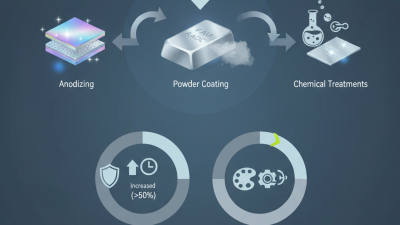
Aluminium surface treatment enhances material performance and longevity. There are several widely used methods to achieve this. Anodizing is a common technique that thickens the natural oxide layer on aluminium. This process increases corrosion resistance and allows for a variety of colors and finishes, giving projects aesthetic appeal as well.
Another method is powder coating. This involves applying a dry powder that is then cured under heat. The result is a durable, vibrant finish that is resistant to chips and scratches. It can be applied to complex shapes with ease. While these methods are effective, they also require careful handling and expertise. Overlooking preparation steps can lead to unsatisfactory results.
Chemical treatment, like etching and alkaline cleaning, is also used to prepare surfaces. Improper application or timing can ruin the finishing process. These techniques promote better adhesion for subsequent coatings. However, they can be sensitive to environmental conditions, requiring constant monitoring. Understanding each method's nuances is crucial for achieving optimal results.
| Method | Description | Benefits | Applications |
|---|---|---|---|
| Anodizing | A process that forms a protective oxide layer on the surface of aluminium. | Improves corrosion resistance, enhances surface hardness, and allows for dyeing. | Aerospace, automotive, architecture. |
| Powder Coating | A dry finishing process that uses finely ground particles of pigment and resin. | Provides a thick, hard finish that is more durable than conventional paint. | Furniture, appliances, and exterior fixtures. |
| Chemical Etching | Uses chemical solutions to remove layers of aluminium, creating a textured surface. | Enhances adhesion of paints and coatings; unique surface finishing. | Electronics, signage, and decorative applications. |
| Brushing | A mechanical finishing process that creates a linear, matte finish on aluminium surfaces. | Improves aesthetics and hides minor surface imperfections. | Consumer goods and decorative elements. |
| Electrophoretic Coating | Uses an electric charge to deposit paint or coating on the aluminium surface. | Provides uniform coverage and excellent corrosion resistance. | Automotive parts and appliances. |
When selecting surface treatment methods for aluminum projects, several factors are essential. Understanding the intended use of the aluminum is crucial. Are you looking for aesthetic appeal, corrosion resistance, or improved durability? Each application may require a different approach, impacting the overall outcome.
One key aspect to consider is the environment where the aluminum will be used. Exposure to harsh elements or chemicals can dictate the type of treatment. For instance, anodizing offers great corrosion resistance but may not be suitable for every setting. Evaluate the conditions carefully to make informed decisions.
Tips: Always test a small sample of the treatment on your material. This helps identify unexpected results. Consult with industry experts to gain insights into best practices. Consider long-term maintenance costs of each surface treatment option, as this can influence your project's budget.
Reflect on the limitations of each method. Some treatments may not provide the desired finish or protection. Research alternatives to ensure you choose the most reliable solution for your needs. Balancing aesthetics and functionality is key to achieving the best results in your aluminum projects.
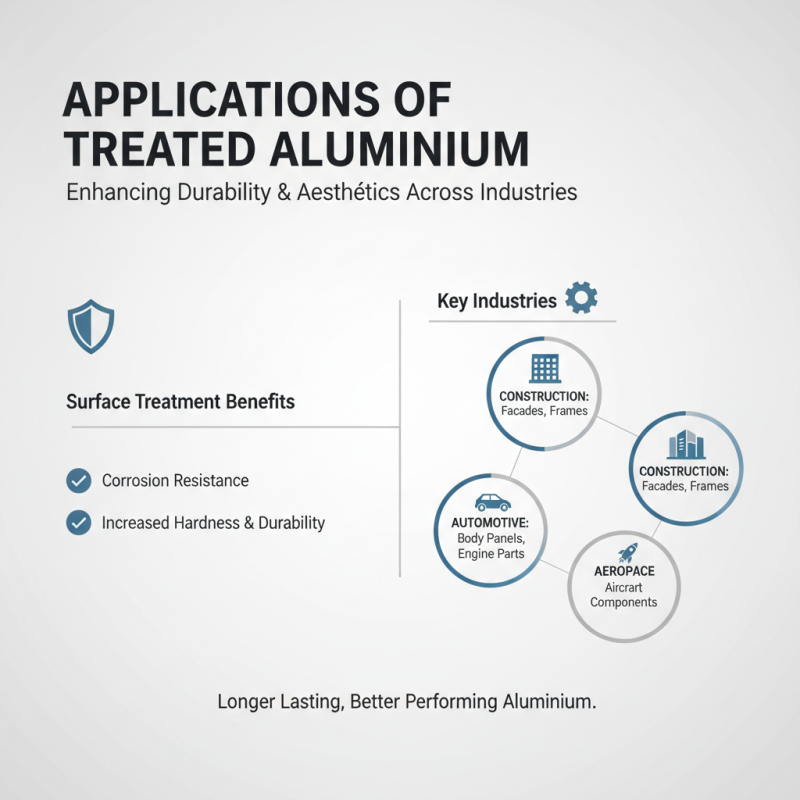
Aluminium surface treatment methods enhance durability and aesthetics. Treated aluminium is widely used across multiple industries, including construction, automotive, and aerospace. These methods improve corrosion resistance and surface hardness, making aluminium components last longer under various conditions.
In the automotive sector, treated aluminium helps reduce vehicle weight. This increase in efficiency leads to better fuel consumption. However, some treatments may alter the metal's properties, which requires careful consideration during the manufacturing process.
Tips: Always assess the specific needs of your project. Different treatments offer unique benefits. Consider both the visual appeal and functional requirements when choosing a surface treatment.
In the construction industry, treated aluminium provides architects with versatile options. It can withstand harsh weather conditions, maintaining structural integrity over time. Yet, the environmental impact of certain treatments cannot be ignored. Strive for eco-friendly solutions that align with sustainable building practices.
Tips: Look for treatments that meet environmental standards. They may be more beneficial in the long run, despite potentially higher initial costs.
The environmental impact of aluminium surface treatments is significant. These methods can greatly reduce waste and energy consumption. However, the processes can still involve chemicals that require careful management. It is important to assess the trade-offs involved in each treatment method.
Sustainability metrics often point to aluminium’s recyclability as a key advantage. Recycled aluminium saves a substantial amount of energy compared to primary production. Yet, recycling facilities must operate under strict regulations to minimize environmental harm. The balance between efficiency and ecological responsibility remains a crucial conversation in the industry.
There are challenges in the treatment processes too. Some treatments can wear off over time, leading to environmental concerns. Moreover, suppliers may not always adhere to sustainable practices. Incorporating a life cycle assessment can help make informed decisions. This approach highlights the importance of ongoing dialogue about best practices. It encourages innovation while fostering a commitment to sustainability.