What is an Aluminium Curtain Wall Profile and Its Benefits?
The aluminium curtain wall profile has become a cornerstone in modern architectural design. Industry reports indicate that the global market for curtain wall systems is expected to reach $41.2 billion by 2027, growing at a CAGR of 6.3%. This growth reflects the demand for sustainable and efficient building materials. As noted by Dr. Jane Smith, a leading expert in façade engineering, “Aluminium curtain wall profiles not only enhance aesthetics but also improve energy efficiency significantly.”
Aluminium curtain wall profiles boast several key benefits. They are lightweight yet durable, offering superior resistance to weather elements. Additionally, these profiles contribute to thermal insulation, which can reduce energy costs for building owners. However, architects often face challenges in ensuring the designs meet both functional and aesthetic criteria.
Moreover, the environmental impact of material extraction and processing should not be overlooked. The industry must continually strive for improvements in sustainability practices. As construction trends evolve, the aluminium curtain wall profile remains a vital choice for innovative building designs.

What is an Aluminium Curtain Wall Profile?
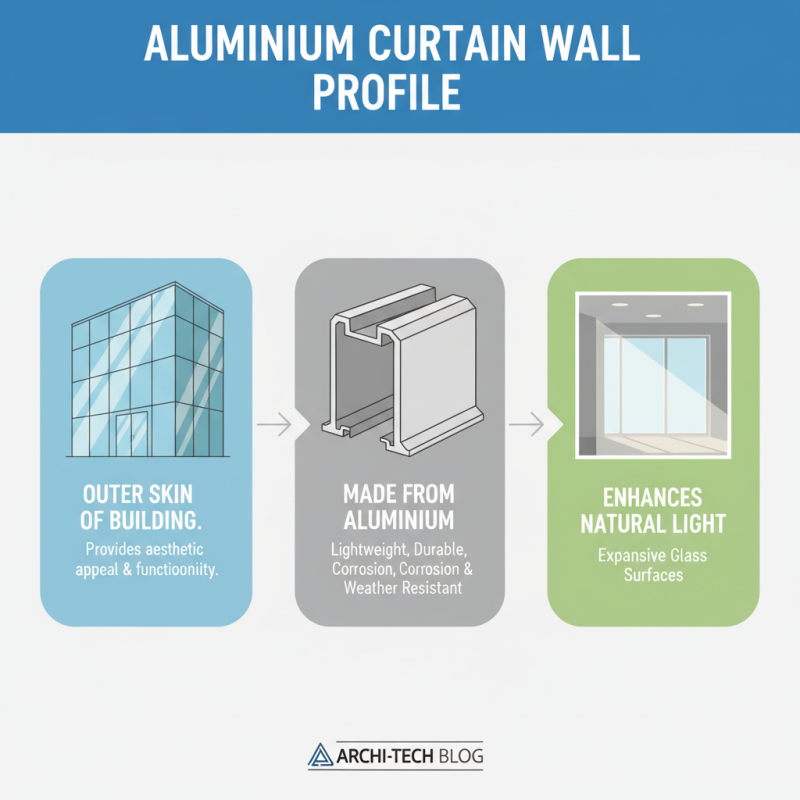
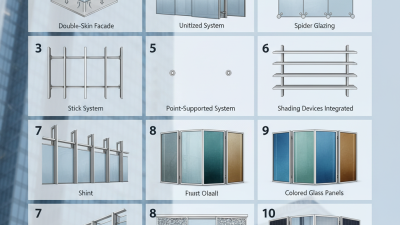
Aluminium curtain wall profiles are essential in modern architecture. They serve as the outer skin of a building, providing aesthetic appeal and functionality. These profiles are typically made from lightweight, durable aluminium, which offers excellent resistance to corrosion and weathering. The design allows for expansive glass surfaces, enhancing natural light within interior spaces.
The versatility of aluminium profiles makes them attractive for various building styles. They can be customized to fit different designs and dimensions, enabling architects to explore creative possibilities. While they offer many benefits, such as energy efficiency and low maintenance, it is vital to consider potential issues. Improper installation can lead to leaks or structural problems over time. Therefore, it is crucial to work with experienced professionals for installation. This ensures that the benefits of aluminium curtain wall profiles are fully realized while mitigating potential risks.
Key Components of Aluminium Curtain Wall Profiles
Aluminium curtain wall profiles are essential for modern building design. They are lightweight, durable, and provide excellent insulation. The primary components of these profiles include framing systems, anchoring devices, and glass panels. Each part plays a crucial role in ensuring the structure’s integrity and aesthetics.
Framing systems consist of vertical and horizontal members that hold the glazing in place. According to industry reports, over 60% of new commercial buildings use aluminium curtain walls due to their energy efficiency. This profile reduces energy costs significantly. Additionally, anchoring devices secure the frames to the building. Proper installation is critical; any misalignment can lead to leaks.
Tip: Ensure all components meet local building codes. Quality control during installation is vital for performance. Regular maintenance helps prolong lifespan and performance.
Glass panels provide visual appeal and natural light. They can be treated for enhanced thermal insulation. An outdated curtain wall can struggle with energy efficiency. Industry studies indicate that retrofitting older systems often yields a 30% improvement in energy savings. Think about the long-term benefits of investing in quality materials and professional installation.
Advantages of Using Aluminium Curtain Walls in Construction
Aluminium curtain walls are increasingly popular in modern construction. They offer several advantages that enhance both aesthetics and functionality. One notable benefit is their lightweight nature. This feature reduces the overall structural load, which can lead to cost savings in foundation work. Additionally, aluminium is resistant to corrosion. This ensures that buildings maintain their appearance over time, even in harsh weather conditions.
Another significant advantage of aluminium curtain walls is their thermal efficiency. Properly designed systems can improve energy efficiency, promoting better insulation. This helps in reducing heating and cooling costs for buildings. Moreover, they allow for expansive glass areas. This design enables natural light to penetrate deep into interior spaces, fostering a pleasant environment. However, careful attention must be given to the installation processes. Poor installations can compromise performance and lead to issues like water leakage.
Durability is another key aspect. Aluminium curtain walls can withstand various environmental stresses, but in some cases, they may dent or scratch, which can impact aesthetics. Regular maintenance is essential to keep them looking good. Architects and builders should weigh these factors carefully, balancing design desires with practical considerations.
Comparative Analysis: Aluminium vs. Other Materials for Curtain Walls
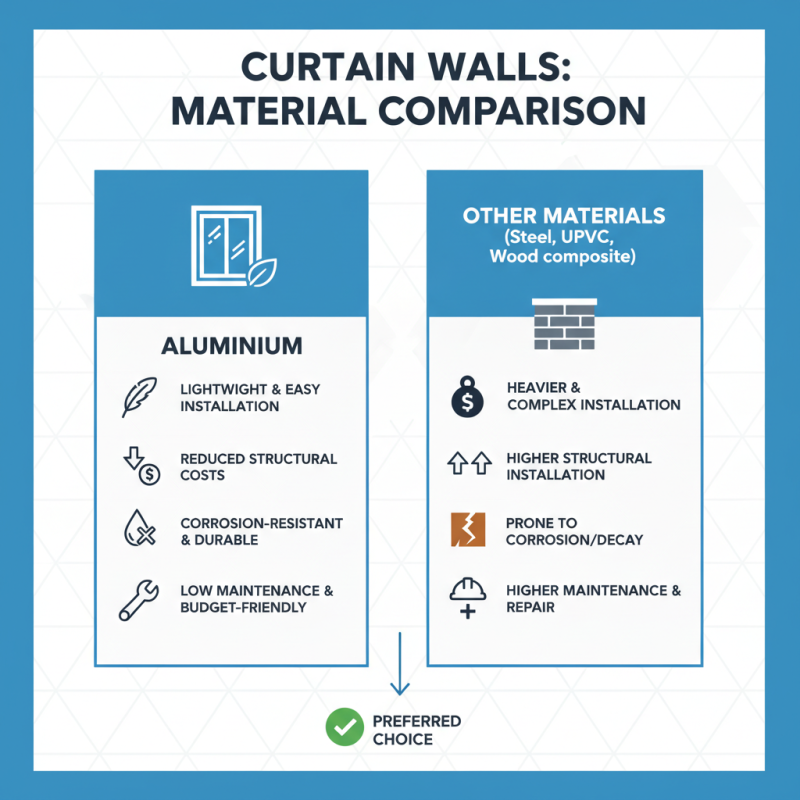
When choosing materials for curtain walls, aluminium often stands out. Its lightweight nature makes installation easier. It requires less structural support, which can reduce costs. Aluminium is also resistant to corrosion, providing longevity. This durability keeps maintenance needs low, catering to budget-conscious projects.
In contrast, materials like steel and wood come with their own drawbacks. Steel is heavier and needs more robust support. This can drive up both installation and material costs. Wood, while beautiful, is susceptible to rot and insect damage. It demands regular upkeep, which can be time-consuming.
Environmental factors also play a role. Aluminium can be recycled, lowering its environmental footprint. However, the energy consumed during the recycling process is significant. Other materials may either offer better energy efficiency or worse, depending on local climate conditions. Each choice has its pros and cons, making careful selection essential.
Installation and Maintenance of Aluminium Curtain Wall Systems
Aluminium curtain wall systems are becoming increasingly popular. Their installation involves precise methods to ensure durability and aesthetics. Proper installation requires trained professionals who understand the complexities of handling aluminium profiles. Each piece must fit seamlessly. Misalignment can lead to leaks and weak spots. Attention to detail is crucial.
Maintenance of aluminium curtain walls is essential for longevity. It is advisable to conduct regular inspections. Cleaning the surfaces prevents dirt buildup and preserves visual appeal. Seasonal changes can cause stress on the materials. Therefore, check for any signs of wear or damage after extreme weather. Prompt repairs can save costs in the long run.
Some challenges may arise during installation and maintenance. Technicians must navigate various environmental factors. Working at heights adds complexity to the process. Often, they need to adapt quickly to unexpected conditions. Continuous training is vital for ensuring safety and efficiency. Understanding local building codes is also necessary, which can be a source of confusion for some.